 FREE shipping on orders over $100
 10% off your first order
 180-day guarantee


Just like you, chickens need water to thrive, it’s absolutely essential for their survival. Water keeps your flock hydrated and powers all their basic functions, from digestion and temperature control to the all-important job of laying eggs. If your chickens don’t have access to fresh, clean water, they can quickly get stressed out, which can lead to health issues and fewer eggs in the nest. Staying well-hydrated also boosts their immune system, helping them stay active and resilient. By making sure your chickens always have plenty of water, you’re giving them the best chance to stay happy, healthy, and productive.
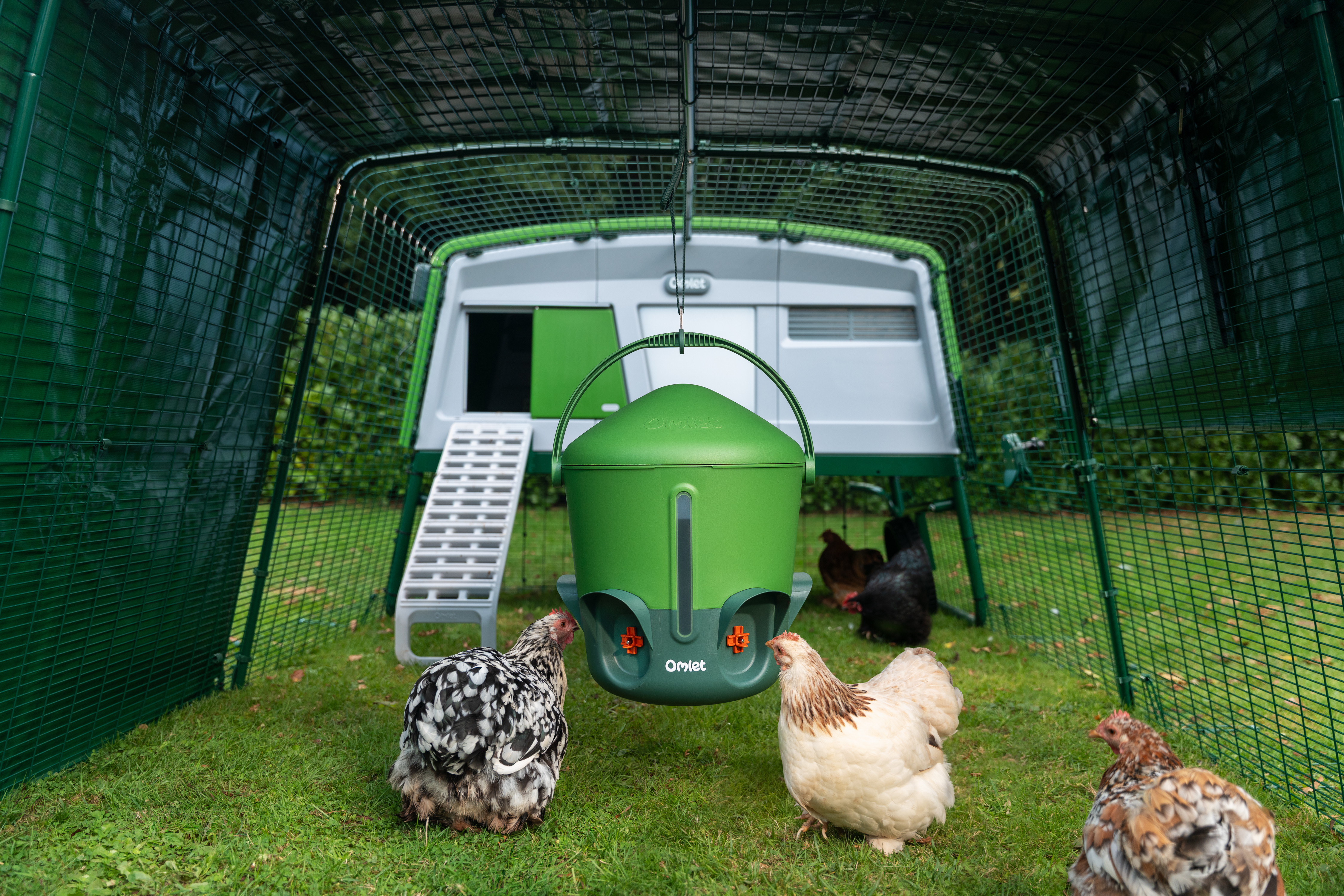
How much water does a chicken drink per day?
On average, a chicken drinks about a pint (that’s roughly 16 ounces) of water every day, but this can double in hot weather. Your flock’s water needs can change with the weather, their diet, and their activity level, so it’s always smart to keep an eye on those waterers and top them off regularly. Chickens can be surprisingly picky about their water too, they love it fresh and clean, just like you would. If their water gets dirty or runs low, they might stop drinking altogether, which can quickly lead to health issues. By making sure your chickens always have plenty of cool, clean water, you’re setting them up for a happy, healthy, and productive life in the coop.
How long can a chicken go without water?
Chickens really can’t go long without water, just 24 hours without a drink can put their health at serious risk. If your flock goes without water for even a day, you might notice a big drop in egg production, and their overall well-being can take a hit fast. In hot weather, the danger is even greater, as chickens can become dehydrated quickly. To keep your feathered friends happy, healthy, and laying those beautiful eggs, make sure their waterers are always full and fresh.
Are my chickens drinking enough?
Wondering if your chickens are drinking enough? Keep an eye on your waterers. If you’re refilling them daily and the water level is dropping as you’d expect (1 pint per day per chicken), that’s a great sign your flock is staying hydrated. Healthy chickens are usually active, bright-eyed, and laying eggs regularly. If you notice a chicken looking sluggish, not eating, or if the water isn’t disappearing like usual, it might be time to investigate. Make sure the water is always clean and easy to reach, and watch for any changes in your flock’s behavior. Trust your instincts, happy, healthy chickens are usually thirsty ones.
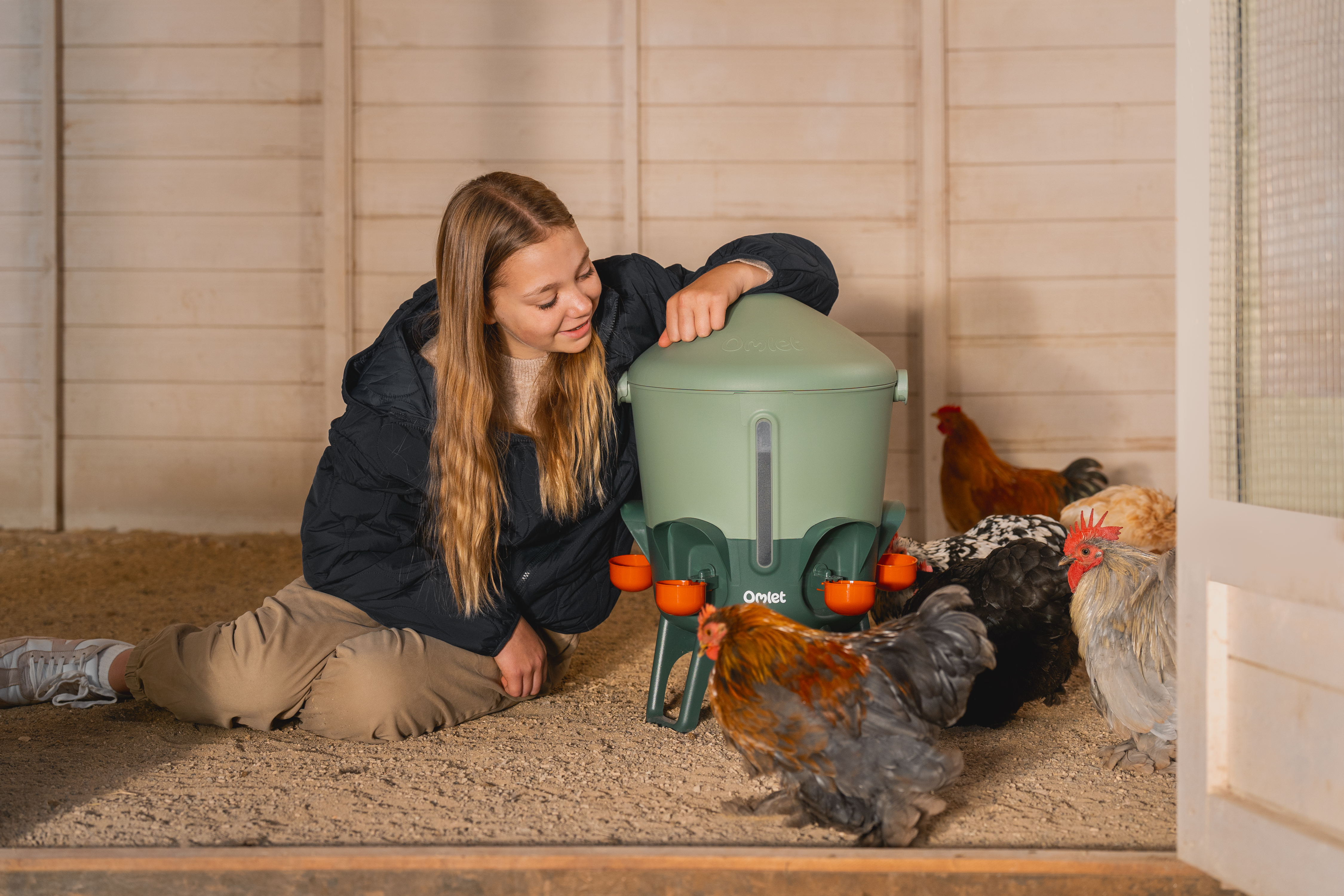
What to put in chicken water
When it comes to what you can add to your chickens’ water, a splash of apple cider vinegar is a popular choice among backyard chicken keepers. It can help support your flock’s digestion, enhance their nutrition, and boost their overall health. Just a quick tip, if you’re using a metal waterer, it’s best to skip the vinegar, since the acidity can cause the metal to corrode and leach into the water. Stick with plastic or ceramic waterers if you want to add a little ACV to your flock’s drink. You might also consider adding electrolytes during especially hot weather or times of stress to help keep your chickens hydrated and feeling their best. Just remember, fresh, clean water should always be the main event, anything you add is just a little bonus for your feathered friends. And as always, keep an eye on your flock to make sure they’re happy with any changes you make.
How much apple cider vinegar to put in chicken water
If you want to add apple cider vinegar to your chickens’ water, use about 1 tablespoon per gallon. Always mix it into a plastic or ceramic waterer, since metal containers can react with the vinegar.
How do you keep chicken water from freezing?
Keeping your chickens’ water from freezing can take a little creativity, especially if you don’t have electricity at your coop. Many chicken keepers use water heaters to keep things thawed, while others float ping pong balls in the water to keep it moving and help prevent ice from forming. Some people try wrapping their waterers with insulating materials, but you can also opt for an Insulated Chicken Waterer with half-inch thick walls, which keeps water from freezing down to -5°F for up to 10 hours without a heater. This makes it a great solution for cold climates or off-grid setups.
How to keep chicken water clean
Keeping your chickens’ water clean is all about a little daily TLC, unless you opt for a completely sealed nipple waterer for chickens which dispenses completely clean water straight to your hens’ beaks. If using an open fount waterer, make it a habit to rinse it out and refill with fresh water every day. Place open waterers up off the ground or on a sturdy platform to keep dirt and bedding from being kicked into the water. If you notice any slime or buildup, give everything a good scrub with a brush and mild soap, then rinse well. It’s also a good idea to keep an extra waterer on hand, so you can swap them out for cleaning without leaving your flock thirsty. Clean, fresh water is an essential part of chicken care and promotes their overall wellness by encouraging them to drink more.
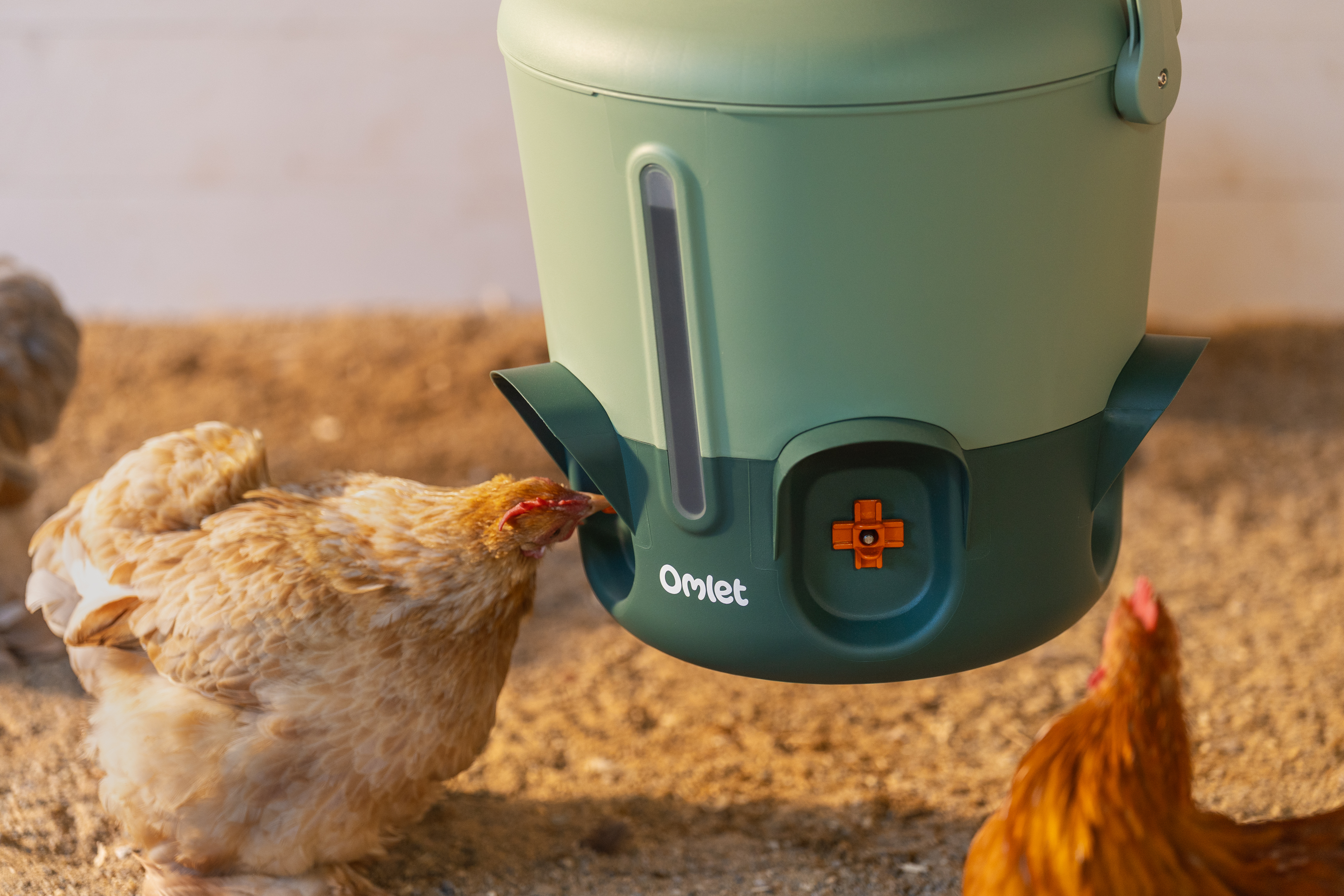
How to keep algae out of chicken water
Keeping algae out of your chickens' water is easy with the right waterer. Algae forms and grows most quickly when water is warm and exposed to sunlight. An enclosed, insulated chicken waterer blocks light and keeps the water cool, stopping algae forming all together. If you don't have an enclosed waterer, be sure to clean and refill your chicken's waterer every day to keep slime at bay.
When do chickens start drinking water?
Chickens start drinking water right from day one. As soon as your chicks hatch, they need access to fresh, clean water to kickstart their little bodies and help them grow strong. It’s one of the very first things you should offer your new arrivals - just dip their beaks gently in the water so they know where to find it. Keeping water available from the start sets your chicks up for a healthy, happy life in the flock.
Is it okay to give chickens tap water?
Absolutely, it’s usually just fine to give your chickens tap water. If it’s safe for you to drink, it’s safe for your flock, too. Just make sure the water is clean and fresh, and avoid using water that smells odd or looks cloudy. Some chicken keepers even prefer to use rainwater or well water if it’s available and safe, just to keep things as natural as possible. No matter what you choose, always check your waterers daily and as always, keep an eye on your flock, if they seem hesitant to drink, it might be time to check your water source.

How to tell if a chicken is dehydrated?
Spotting a dehydrated chicken is all about paying attention to the little things. Look for signs in your poultry like lethargy, pale combs or wattles, sunken eyes, and a noticeable drop in egg production. You might also notice your chicken standing with its wings held out or panting, especially in hot weather. Their droppings can become dry and sparse, and they may lose interest in feeding or seem less social than usual. Sometimes, dehydrated chickens will seem wobbly on their feet or have trouble keeping their balance. If you see any of these signs, check their water supply right away and make sure it’s clean, cool, and easy to reach. Acting quickly can make all the difference for your flock, so trust your instincts and keep a close eye on any changes in behavior.
What temperature should chicken water be?
Chickens like their water cool and refreshing, ideally between 50°F and 60°F, which is especially important during hot weather. For chicks, slightly warmer water is best. If the water gets too warm, your flock might not drink as much, and there’s usually no need for icy-cold water unless temperatures are soaring. In winter, focus on preventing the water from freezing or becoming uncomfortably cold, since chickens tend to avoid drinking when it’s near freezing. The key is to always provide clean, fresh water at a comfortable temperature that encourages your birds to drink throughout the day.
Is my chicken drinking enough?
The best way to tell that your chicken is drinking enough is by keeping an eye on your waterers, if you’re topping them up daily and the water level is going down, that’s a good sign your flock is staying hydrated. Healthy chickens are usually active, bright-eyed, and laying eggs on schedule. If you notice a chicken looking a bit off, not eating, or if the water isn’t disappearing like usual, it’s worth taking a closer look. Make sure the water is always clean, fresh, and easy to reach, and pay attention to any changes in your flock’s behavior. Trust your instincts, when your chickens are drinking well, you’ll see it in their energy and overall health.
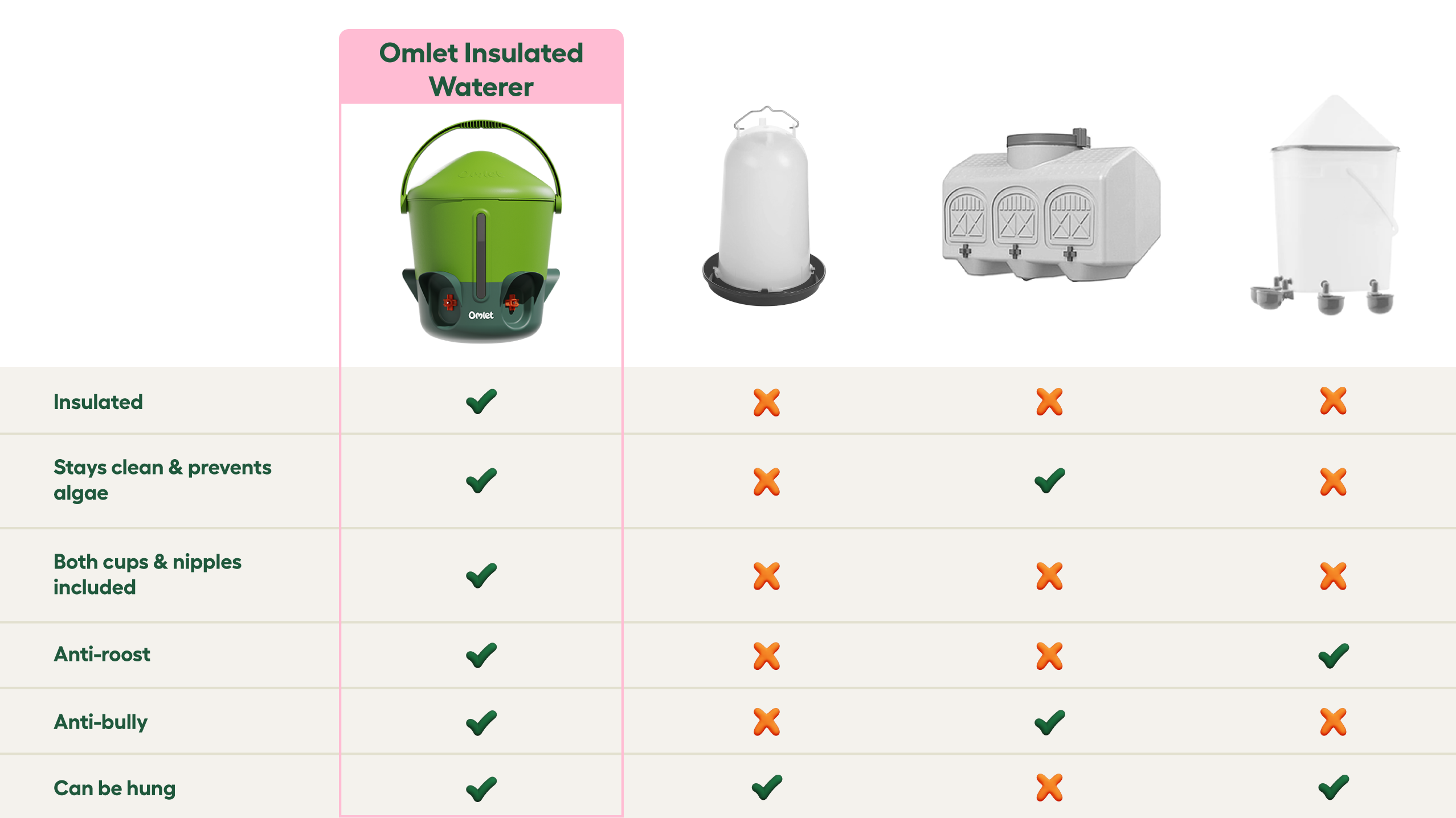
Chicken waterers: the different types
Choosing the right waterer for your flock can make a big difference in your daily chicken-keeping routine. Each type of chicken waterer comes with its own set of perks and challenges, so it’s worth considering what fits your setup, your flock size, and your cleaning preferences. Here’s a quick comparison to help you find the perfect match for your chickens (and maybe even for you, too):


Comments
There are no comments just yet